A chalet manager, a private chef, a driver, two housekeepers, and a week where you never once think about logistics. Here is what a staffed chalet in Courchevel actually looks like from the inside.
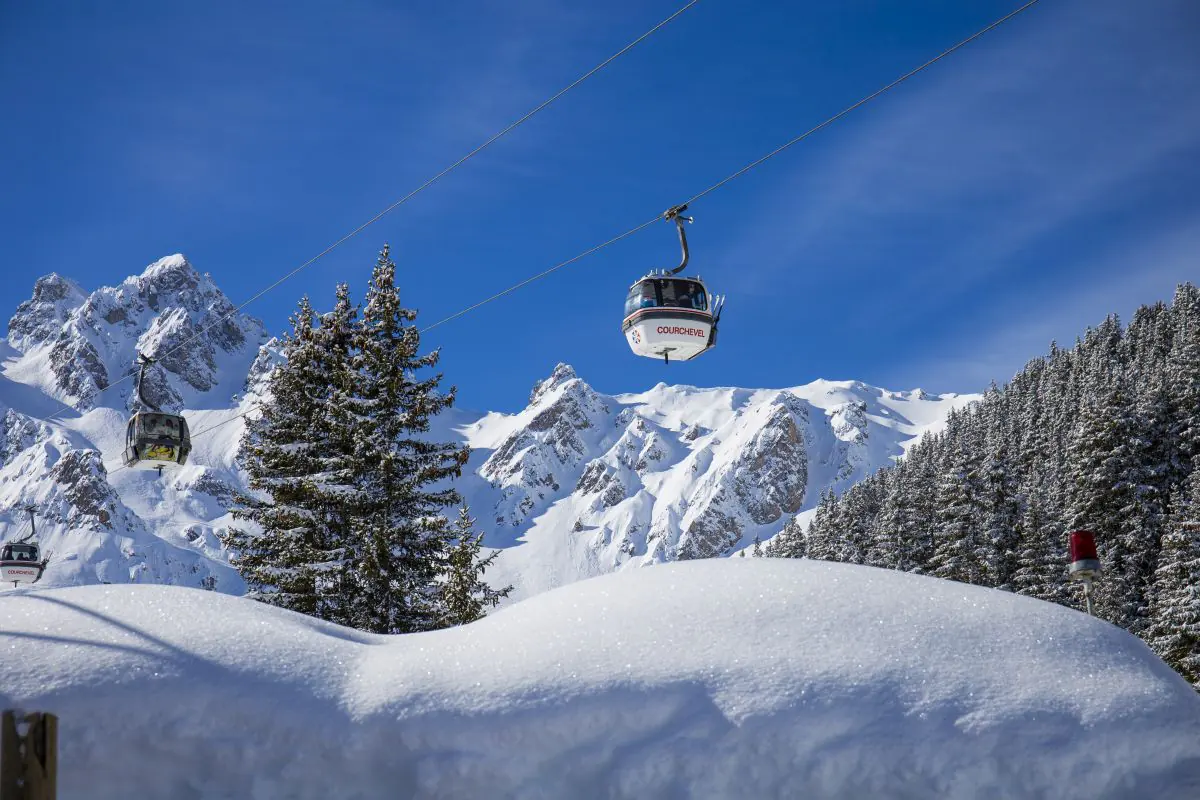
It is 8:47 on a Tuesday morning in Courchevel 1850. Outside, the first cable cars are already moving. Inside the chalet, the breakfast table is set with warm croissants, fresh orange juice, and a pot of coffee that someone refilled without you noticing. Your ski boots are warming by the door. Your lift passes are ready. Nobody asked you to do anything. That is what a staffed chalet actually feels like, and no amount of marketing copy can quite prepare you for it the first time.
The Team Behind the Chalet
People often imagine a staffed chalet as a vague luxury upgrade, a handful of extra amenities. In reality, it is a specific operation with a specific crew. The baseline team for a well-run chalet in Courchevel is a chalet manager, a private chef, a driver, and two housekeepers. That is the foundation. Everything else builds on top.
The chalet manager, sometimes called the butler, is the person who holds everything together. They are the face of the chalet, the one who reads the room, remembers that one guest does not eat shellfish, and makes sure the tone stays warm without becoming intrusive. It is a harder job than it looks.
The chef works quietly in the background but is arguably the most important hire. A good private chef in Courchevel is not cooking hotel food. They are cooking for your family specifically, adjusting to your rhythm, sourcing locally, and delivering a dinner that most restaurants in the village would struggle to match.
The Core Staff of a Staffed Chalet
- ‣Chalet Manager / Butler - Runs operations, manages service, coordinates the team
- ‣Private Chef - Cooks breakfast and dinner, sources ingredients, adapts menus daily
- ‣Driver - On call from 9am to 9pm for transfers, errands, and airport runs
- ‣Two Housekeepers - Present from 8am to 6pm, available later for turndown service on request
A Day in a Staffed Chalet, Hour by Hour
The structure of a staffed day is more precise than guests typically expect. The butler arrives at 8:30am and stays through until 10:30am, covering breakfast service. From there, the chalet runs on its own rhythm for a few hours while guests are on the mountain.
The chef comes back mid-morning, shortly after breakfast, to check in with the chalet manager about the evening. What does the group feel like tonight? Something light? A full dinner? Any preferences, any allergies to flag? Then the chef heads to the market, does the shopping, and starts prepping. By the time guests return from skiing, the kitchen already smells like something good is happening.
The butler picks back up at 4pm for tea time. In Courchevel, this is not a ceremonial thing with finger sandwiches for appearance's sake. It is a proper spread: warm food, pastries, hot drinks, something savory. Guests have been outside in the cold for six hours. They are hungry. The butler stays through until 10pm, covering dinner service and making sure the evening lands well.
The driver is available from 9am to 9pm. The housekeepers work 8am to 6pm, though if turndown service is requested, they stay later. Every schedule is intentional. Nothing is left to chance.
What "Half-Board" Actually Means
Most staffed chalets in Courchevel are rented on a half-board basis. That means breakfast, afternoon tea time, and dinner are all included. Lunch on the mountain is not, which makes sense: you are out there, you want to eat at a refuge, you do not want to come back down. The three meals that matter most, the ones at the chalet, are all covered.
What half-board does not mean is a fixed menu handed to you with no input. The whole point of a private chef is that the menu changes based on what the group wants that evening. Some nights it is a proper multi-course dinner. Some nights the group comes back exhausted and wants something simple and warm. A good chef handles both with the same level of care.
Staffed Chalet vs Optional Catering: The Real Difference
There is a category of rental in Courchevel called "optional catering," and it is worth understanding exactly what that means before you confuse it with a staffed chalet. Optional catering is the minimum. It typically covers one weekly cleaning, a change of bed linen and towels, and nothing else.
Optional Catering
- ‣One clean per week
- ‣Linen and towel change
- ‣No daily staff presence
- ‣No meals, no driver, no butler
Full Staffed Chalet
- ‣Daily housekeeping, 8am to 6pm
- ‣Breakfast, tea time, and dinner included
- ‣Butler on service morning and evening
- ‣Private chef and driver on call daily
The gap between these two options is not a slight upgrade. It is a completely different type of stay. Optional catering is what you choose when you want a beautiful property and full independence. A staffed chalet is what you choose when you want to be genuinely looked after.
What Surprises First-Time Guests Most
First-time guests in a staffed chalet almost always say the same thing: they did not expect the quality to be this high. Not the quality of the chalet itself, which they researched and selected. The quality of the people, the service, the food, the pace of it all.
The other thing that catches people off guard is how quickly they feel at home. The team makes a deliberate effort to create an atmosphere that is warm and relaxed rather than formal. The goal is not to impress guests with efficiency. It is to make them forget they are in a rental property at all.
The first evening involves a bit of information gathering. Guests sometimes joke about being interrogated, but it is all in service of the week ahead. Ski boot fitting comes to the chalet. Lift passes are sorted. By 9am the next morning, every guest walks out the door with everything they need. That first day on the mountain, with zero logistics to think about, tends to be the moment it all clicks.
Why Clients Choose a Chalet Over a Palace Hotel
Courchevel has some of the finest palace hotels in the Alps. The Cheval Blanc, the K2, the Airelles: they are genuinely exceptional. And most of the clients who book a staffed chalet with us have stayed in those hotels before. Many of them still do, for certain trips. But once they experience a well-run staffed chalet, something shifts.
In a palace hotel, the service is immaculate and also ever-present in a way that keeps a slight formality in the air. There is always someone standing at attention, waiting. The experience is extraordinary but it is also, always, a hotel experience.
In a staffed chalet, the team becomes part of the rhythm of your stay. They know when to be there and when to disappear. They cook food that is yours, not a restaurant's interpretation of what luxury guests should eat. Children run around without anyone flinching. The mood at dinner is whatever you make it. It is, in the best possible sense, like being in a home that happens to be run extraordinarily well.
The Level Above: Is There One?
A staffed chalet is already a high benchmark. But yes, there is a level above the baseline, and in Courchevel, some properties reach it.
At the top end, you find chalets with expanded teams: a dedicated concierge separate from the chalet manager, a sommelier who selects and serves the wine, a spa therapist resident in the chalet for the duration of your stay. Some chalets have private cinemas, heated outdoor pools, ice skating rinks on the terrace.
For orchestration beyond the chalet itself, restaurant tables, helicopters, full lifestyle management around the stay, some of our guests also work with Maison TALLI, the private concierge in Courchevel 1850 operated alongside Courchevel Rentals.
The interesting thing is that beyond a certain point, more staff does not always mean a better experience. The chalets that guests remember most are not necessarily the ones with the largest teams. They are the ones where the chemistry between staff and family was right, where the chef's food was genuinely memorable, where the butler seemed to read minds. That quality is harder to price and impossible to guarantee on paper.
If you are considering a staffed chalet for the first time, the baseline is already more than enough to change how you think about ski holidays. The real luxury, it turns out, is not the heated floors or the infinity bath. It is never once having to think about the logistics of your own holiday.